
Adventure, Acclimatisation and Altitude
Leh is truly an adventure capital, a place that neither of us had deeply researched before arriving but quickly became one of the most unforgettable destinations we’ve ever experienced. In my previous blog, I mentioned how Jase’s solace was running and mine was finding peace (and exercise) in what I was going through. Leh was the perfect setting for both.
Spending five weeks here was all about adapting to altitude, preparing for Jase’s 222km race over two passes exceeding 5000m, and soaking in the raw beauty of Ladakh. Leh sits at 3500m with an oxygen level of just 65%. The higher you go, the thinner the air, with Khardung La dropping to 49%. Acclimatising was not just important—it was essential. We were fortunate to have sports doctors around, which eased our minds about altitude sickness risks.
Finding Our Stride: Acclimatising to High Altitude
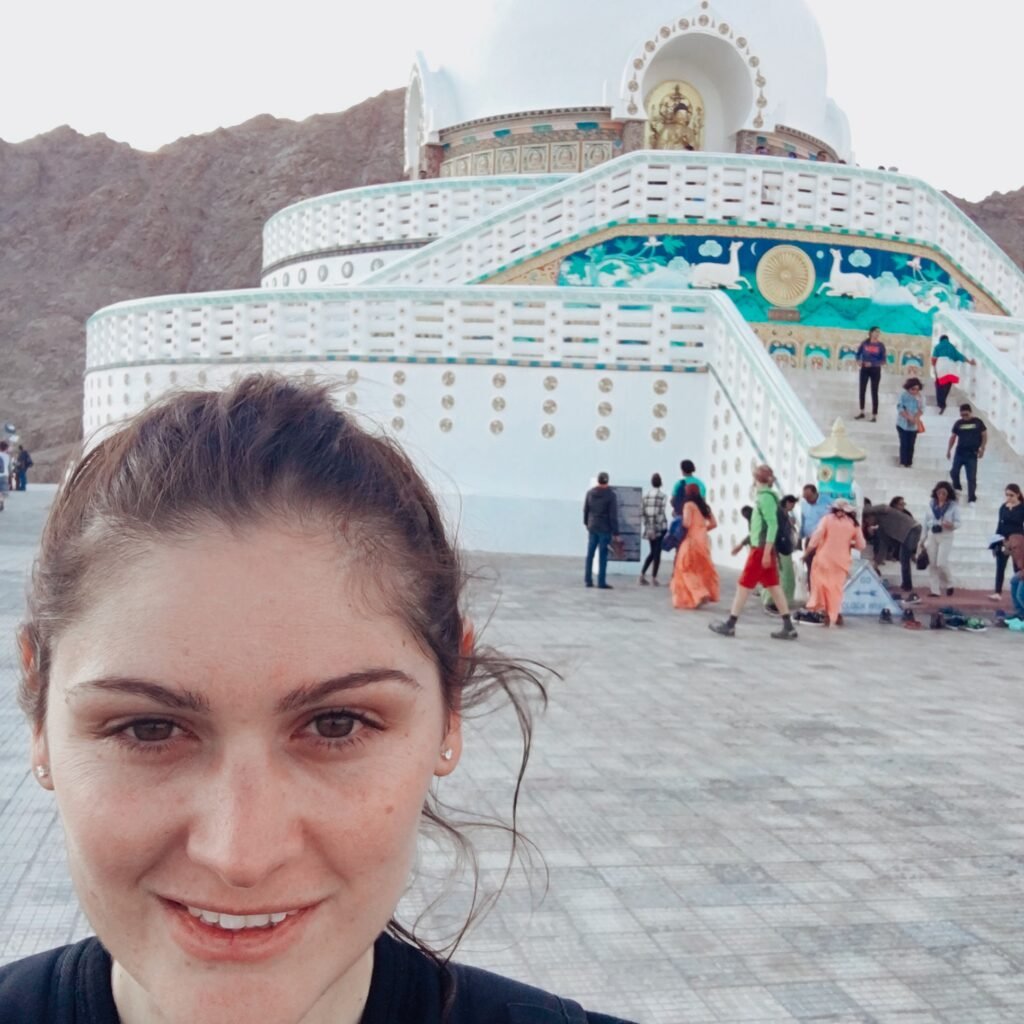
After a couple of days of rest and altitude headaches, we started slow, making our way up to Shanti Stupa at 3600m. With 550 stairs leading up, it doesn’t seem like much, but at altitude, every step was a challenge. We walked up a few times a day, slowly feeling our bodies adjust. The view over Leh and the Leh Palace was breathtaking, quite literally.
From there, we tackled Leh Palace, a nine-story structure dating back to 1553. The walk up is a mix of dirt trails and stairs, and from the top, you get an incredible panorama of Leh. The palace, with its strong Tibetan influence, gave us a glimpse into Ladakh’s history. Interesting fact: fitness doesn’t determine how well you acclimatise—athletes can suffer just as much from altitude sickness as anyone else.
As more athletes, crew, and race officials arrived, we started meeting people from all over the world. A group of Americans and Brits invited us on a motorbike ride up to Khardung La, one of the highest motorable passes on earth. (I wrote more about this in our first Leh blog.) You need a permit to go past South Pulu checkpoint, as the entire area is under military control. Getting permits meant visiting a tourist office, handing over our passports, and coming back later to collect them. At the checkpoints, it was a chaotic wave of hands, permits in the air, hoping to be next in line. Being taller than most helped me get mine checked quicker!
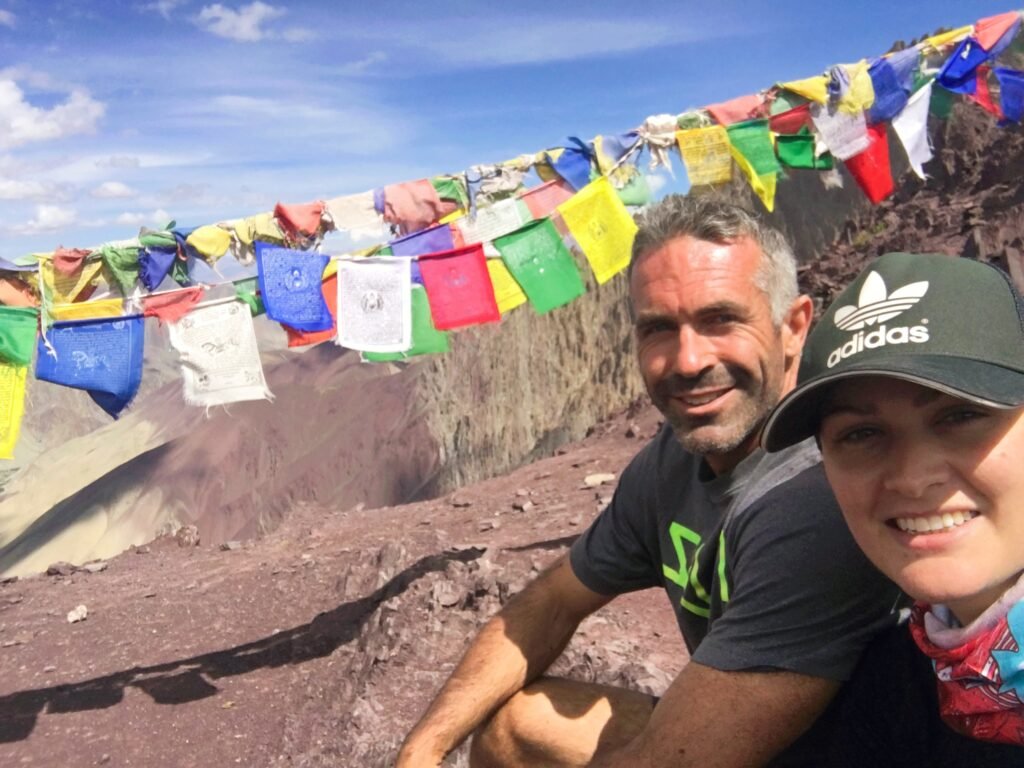
Reaching Khardung La for the first time was surreal. We could see K2 in the distance and felt like we were truly on top of the world. Leh was hot, but at the pass, just 1.3km higher, it was freezing. Packing for all seasons was a must.
An Overnight Hike Through Ladakh’s Remote Beauty
Inspired by our time at high altitude, we arranged an overnight hike through a local tourist office. Our guide, a university student visiting family in Leh, picked us up in a minivan—actually, a mini mini-van, barely fitting six people.
The trek started with a short 30-40 minute drive before we set off on foot. Day one was a few hours of hiking, relatively flat for Ladakh (meaning no steep inclines). Neither of us had hiking boots, just sneakers with grip, but our guide? He wore Converse Chuck Taylors and jeans. No kidding.
We arrived at a guesthouse nestled between mountain ranges, surrounded by lush greenery and clear running rivers. The couple who owned it lived off the land, growing their food and making everything from scratch. Their hospitality was unmatched, and the food? Some of the best we’ve ever had. Our room was outside on the roof, with breathtaking views of the mountains.
Sleeping on beds of hay, covered with thick blankets, was surprisingly warm and comfortable. The night sky was unreal—millions of stars, untouched by pollution. The moon was so bright it felt like daylight. It was one of those nights you never forget.
The next morning, we set off to cross Stok Pass, a 9-10 hour hike. It didn’t look far, but the terrain was deceiving. We followed a gradual incline before reaching the mountain base. Yaks grazed freely, and the path narrowed to just two feet in some places, zig-zagging up the steep slopes. Looking down, the drop was intimidating—loose rocky shale that could send you sliding down. We took breaks, meeting farmers in their 70s and 80s who made this journey three times a week with donkeys carrying supplies.
The descent was harder—steep, slippery, and relentless. I developed a headache but slowed down to manage it. Our guide? Still in his Converse.
Motorbiking to Pangong Lake
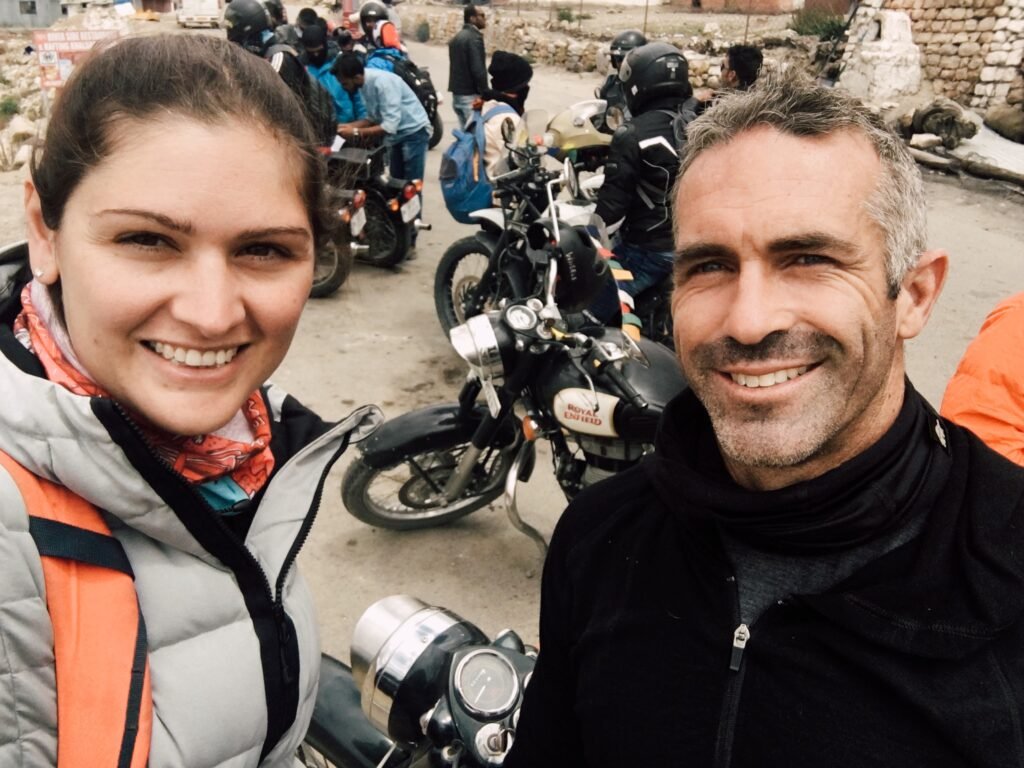
Next up was a motorbike trip to Pangong Lake, the highest saltwater lake on earth at 4225m, on the border of India and China. We rented a Royal Enfield Himalayan, filled a jerrycan with fuel (no petrol stops on the way), and set off. The journey was only 200km but took 5-6 hours due to the rough, rocky roads. Chang La Pass was particularly eerie—steep drops, barely any traffic, and two overturned army trucks far below. A stark reminder of how dangerous these roads could be.
We arrived at Surtuk, a tiny village along the lake, and stayed in a “glamping” tent—basic but comfortable, with thick blankets and a functioning toilet. There was no reception, no distractions—just the lake, surrounded by towering mountains. That night, I had one of the best sleeps of my life.
Heading back, we took an alternative route along the river, driving for hours without passing a single car. It was so remote we joked that “the hills have eyes.” Not in a horror-movie way, but with the heavy military presence all over these mountains in Ladakh, you always wondered if you were being watched.
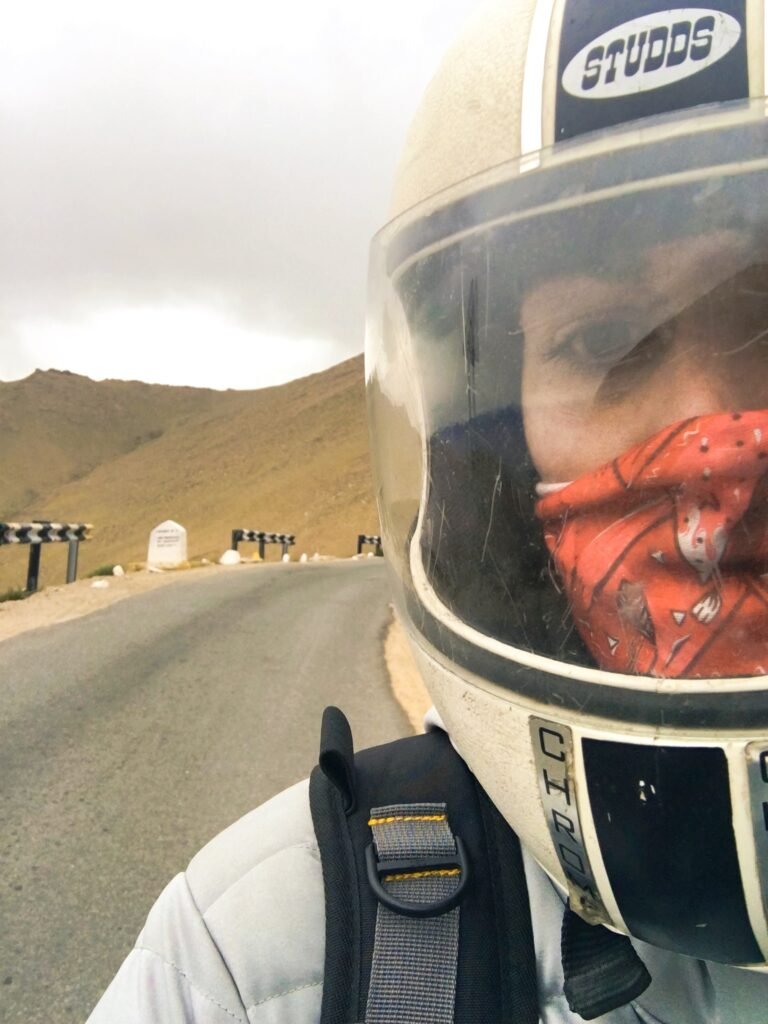
The final challenge was crossing Khardung La again, this time from the North side. As the sun dropped behind the mountains, we had to navigate past 16 army trucks, squeezing against the cliff face to let them pass. The wet, muddy road made it even more nerve-wracking. This was the one part of Leh I didn’t enjoy—I was terrified.
More Than Just a Race Destination
Leh isn’t just for ultra-runners or adventure seekers. There’s trekking on snow-covered mountains, white-water rafting, and cultural experiences unlike anywhere else in the world. We focused on altitude training, but there’s something for everyone here.
Five weeks in Leh changed us. It was physically demanding, mentally challenging, and one of the most incredible experiences of our lives. We’ll never forget it.
More to come from this one. @thereardonfamily